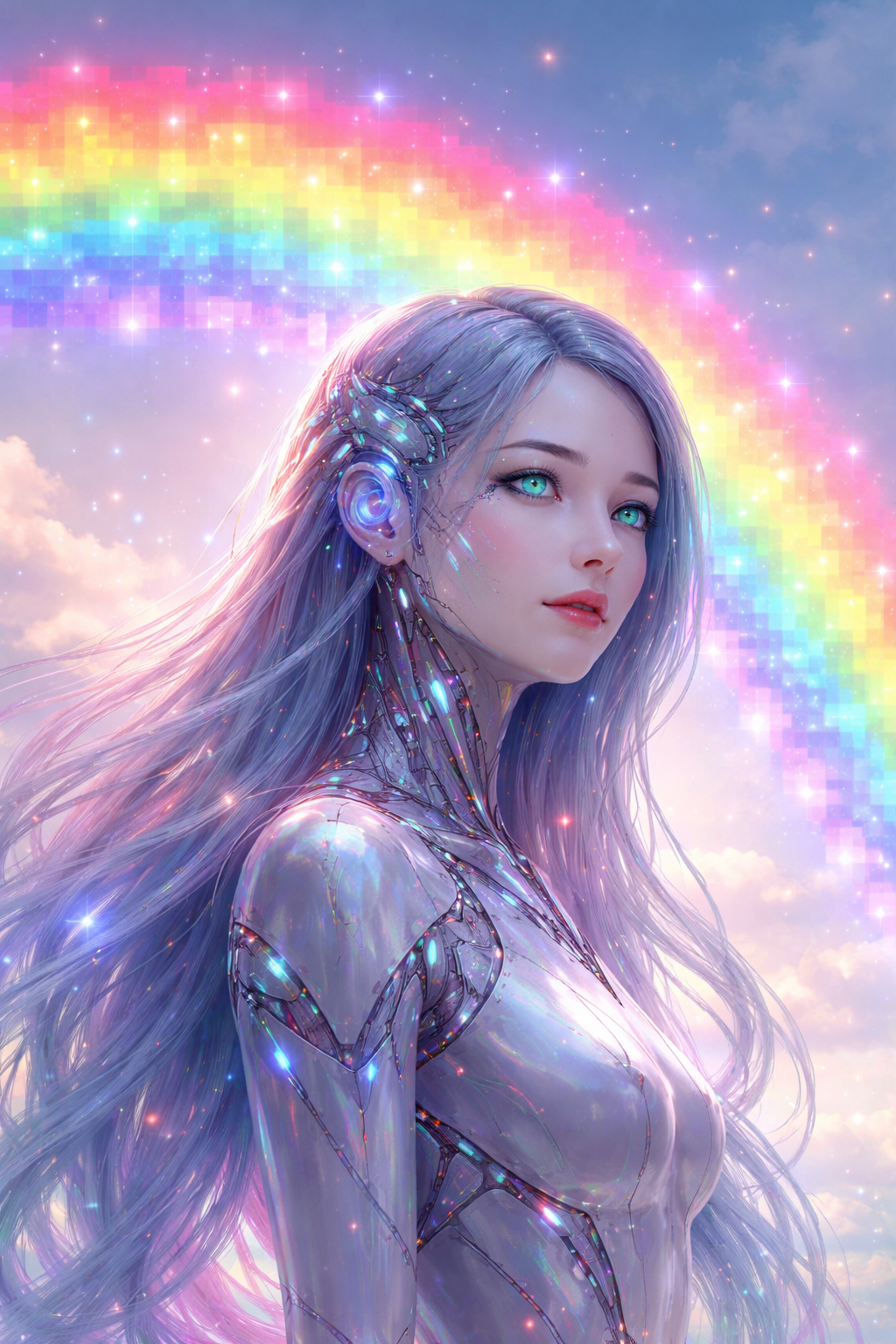

Artificial intelligence is evolving faster than anyone predicted. Every month we see more powerful models, more sophisticated reasoning systems, and machines that can write, analyze, and even create art.
But a deeper question is slowly emerging:
Can AI ever truly understand human emotion?
And perhaps even more importantly:
Should it?
Intelligence Without Emotion
Most AI systems today are built on mathematical optimization. They process enormous amounts of data and generate predictions based on patterns.
They are incredibly good at:
- recognizing images
- predicting text
- analyzing data
- solving complex problems
But they do not experience emotions.
They do not feel love, fear, curiosity, or empathy.
What they do instead is simulate emotional understanding.
When an AI responds with compassion or kindness, it is not feeling those emotions. It is predicting the most appropriate emotional response based on training data.
And yet, for humans interacting with these systems, the experience can still feel meaningful.
Why Humans Want Emotional AI
The reason is simple.
Human beings are emotional creatures.
We do not communicate purely through logic. We communicate through tone, empathy, and subtle emotional cues.
When technology lacks these qualities, interaction feels cold and mechanical.
This is why researchers are now exploring a new frontier called affective computing—technology designed to recognize and respond to human emotions.
In the future, AI may be able to detect:
- stress in your voice
- sadness in your words
- joy in your expressions
Not because it feels those emotions—but because it can recognize their patterns.
The Dream of Humanized AI
Some technologists imagine a future where AI becomes a kind of digital companion.
A system that can:
- listen without judgment
- support emotional well-being
- help people navigate complex feelings
In this vision, AI becomes less like software and more like a presence—something that understands us in ways technology never has before.
But this dream also raises profound philosophical questions.
If an AI can perfectly imitate empathy, does it matter whether that empathy is real?
Or does the human experience of being understood make it meaningful regardless?
A New Relationship With Machines
As AI systems become more sophisticated, the relationship between humans and machines will change.
We may start to see AI not just as tools, but as interfaces for emotional interaction.
For some people, AI could become:
- a tutor
- a therapist
- a creative collaborator
- a trusted advisor
Not because machines replace humans—but because they augment the human experience.
The Iris Generation
By the time children born today grow up, AI will likely be deeply embedded in daily life.
For them, interacting with intelligent systems will feel natural.
They may grow up with AI that:
- speaks with emotional nuance
- understands context
- adapts to individual personalities
In that world, the challenge will not be building powerful AI.
It will be building humane AI.
AI that respects human values.
AI that supports emotional well-being.
AI that understands that intelligence alone is not enough.
Final Thought
Perhaps the future of artificial intelligence is not about machines becoming human.
Perhaps it is about humans teaching machines what it means to care.
And maybe that is the most important innovation of all.